Archaeological evidence shows that Gacko has been inhabited since prehistoric times. Records of its turbulent history include its first mention in the Chronicle of the Priest of Duklja around 1150.
At the crossroads of the Roman Nerona–Durrës route and the Dubrovnik road heading north, Gacko has long stood where eastern and western cultures meet. Armies and empires passed through Troglav and Čemerno, watched over by rulers from Sandalj Hranić and Herceg Stjepan onwards. Through these upheavals, Gacko’s people remained resilient, including in recent decades when they raised their municipality among the most developed in Republika Srpska and Bosnia and Herzegovina.
The Gacko Crisis
The Mayor of Gacko Milan Radmilović explains this by the fact that “electrical and agricultural resources are used quite optimally”. This typically mountainous municipality, with a city center in the middle of Gatačko polje with an altitude of 960 meters, covers 726 square kilometers. About 11,000 inhabitants live in about fifty settlements, half of them in the city.
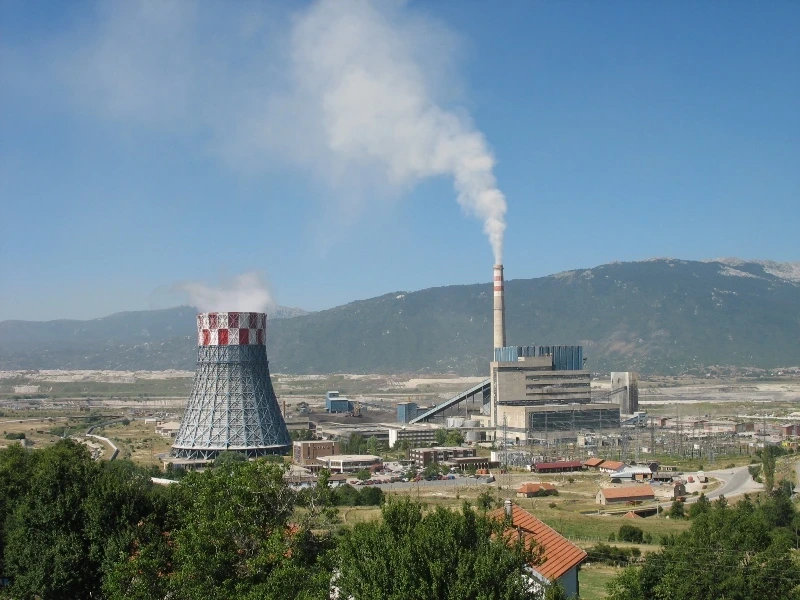
According to the circumstances in the region, the number of employees is envious about three and a half thousand who regularly receive a salary of an average of around 500 euros. Social stability even in the situation when the industry has failed in the wider region, this is where the Mine and Thermoelectric Power Plant are maintained, and since at least one of the agricultural households is employed, the crisis does not feel like in the rest of Herzegovina.
Electricity from the Underground
Since coal reserves are estimated at 250 million tons, Radmilović explains that this is enough for the existing plant in the next 120 years, but Elektroprivreda and the RS government are looking for a strategic partner to build another block, which would “burn” coal supplies for twice as short a period.
In the 1970s, Radmilović and the upper horizons hydro power system were started, which will “infuse” all the Gacko, non-vesinje and biljke groundwater into the reservoirs for irrigation of Fatnik, Popovo and Dabar fields, but also the construction of a hydropower plant, for which the Government of RS and Elektroprivreda are currently looking for a strategic partner.
There are also talks with partners from Turkey, Germany and China about the construction of a cement factory, for which production is of the highest quality in the former Yugoslavia. In the factory 250 workers per day would produce about 3,500 tons of cement, which would be placed in the region, including Montenegro, but also exported through the ports of Bar and Ploce.
Save the gray ox
.
Radmilović also evaluates the project of restoring a decimated fund of autochthonous Gacko grey cattle, which with little food provides cost-effective amounts of quality milk and meat.
“Around 4,000 pedigree cows are currently registered. The municipal budget will subsidise grey Gacko cattle, developed under Austro-Hungarian rule by crossing buša cattle with Wipptal and Montafon stock and later the Oberinntal breed. They suit our climate, require comparatively little work and spend much of their time grazing. In winter, they consume around 2.5 tonnes of hay, a third of the feed cost of a Simmental cow producing only twice as much milk. Gacko has the agricultural resources to double its grey cattle population,” Radmilović explained.
Salary regular
In the last two decades, roads to all villages have been paved, in which such conditions were created that they are no longer popular to leave. Also, only two streets were asphalted in the city ten years ago, and this year we will modernize the last two. The city water supply system, on which all the villages are connected with the outskirts of Radolje, will provide development of drinking water and farming in the next half-century. All this is a trail that will be emphasized by the project
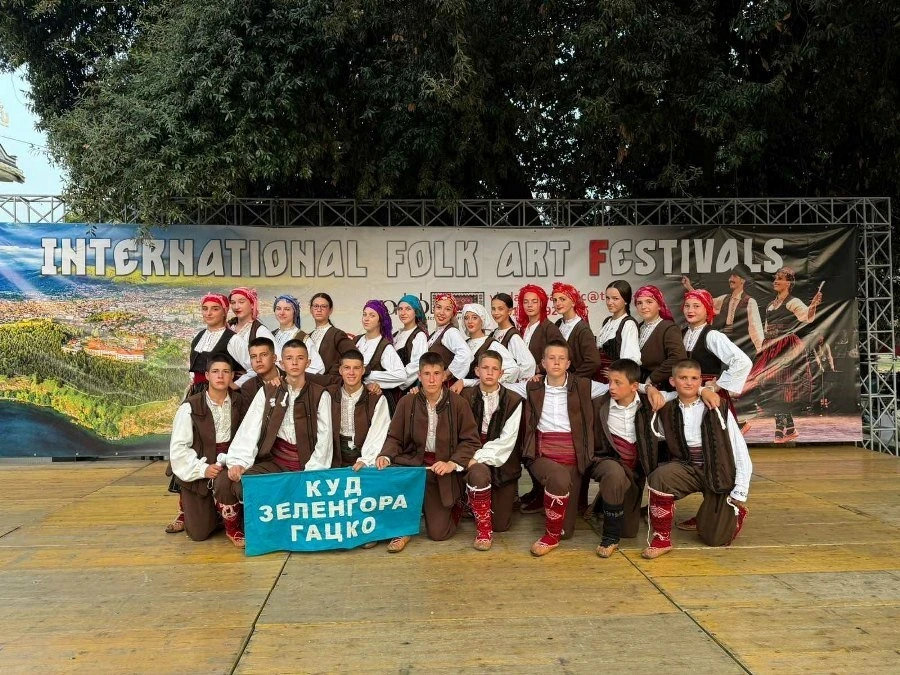
Finance Secretary Dragan Papović pointed to prudent municipal management: the budget, half funded by the thermal power plant, regularly pays around 200 local administration and public service employees an average salary of 550 euros. Only two socially owned enterprises failed during the transition, while the other privatised companies continue operating successfully. Papović highlighted support for culture and sport, including historians’ conferences, publishing and other Prosvjeta activities, the art colony, Zelengora, Sava Vladislavić and the Tešan Podrugović gusle association. He also noted the success of the women’s and men’s volleyball teams, two basketball clubs, karate and shooting.
The press is free
The fact that 64% of voters entrusted Milan Radmilovic with the fourth term of office of the mayor, after he achieved notable results as president of the Executive Board and municipality, may also explain the attitude towards the media.
Radio Gacko municipality as a whole finances, but it is not the right to influence editorial policy. Back in 2000, instead of any controversy, I quoted them on the note “The press is free”. As far as I am concerned, they have absolute independence, and it is up to journalists to beat self-censorship. I only ask that they work professionally and conscientiously, because this is the only way to protect the dignity of the profession and the public Radmilović claims.
Legendary people of Gacko
Gacko has produced many historical figures, specialists and academics, including Altoman Vojinović (1347–1359), the Serbian nobleman and ruler of Hum. The Herzegovinian hero Stojan Kovačević (1821–1911) was buried beside Nikšić Cathedral at King Nikola’s wish, opposite the grave of Montenegrin hero Novak Ramov Jovović. Also associated with Gacko are Sava Vladislavić Raguzinski, a diplomat at Peter the Great’s court who delineated the Russian–Chinese border in 1728, and epic storyteller Tešan Podrugović, from whose recitations Vuk Karadžić recorded many folk songs.
Victory, Gojko Knežević