About 51,000 KM will be allocated from the budget of Gacko municipality for project financing, and the amounts of appropriations range from 3,500 KM to 15,000 KM, depending on the area they applied for.
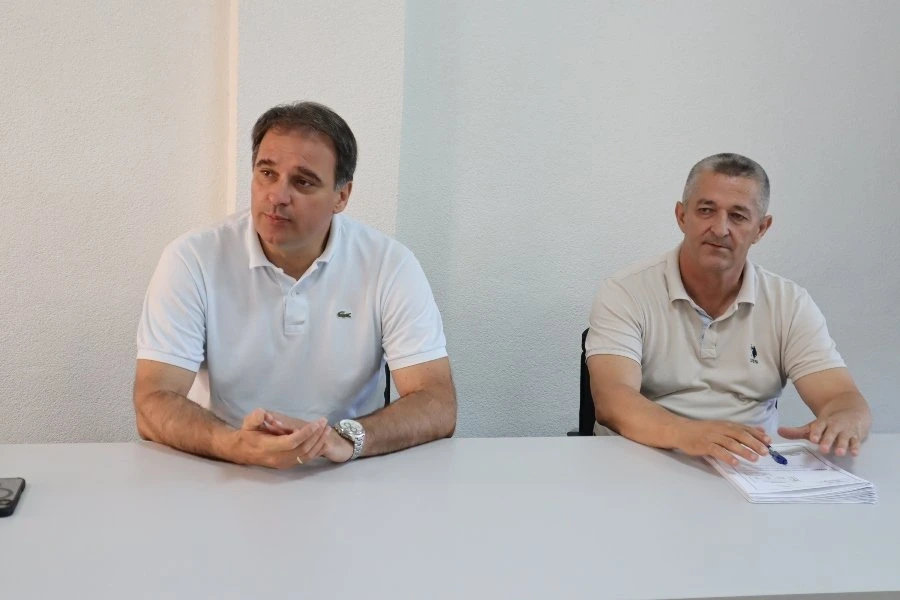
Commissioner Milinkovic pointed out that the Municipality would provide support to civil society organizations which, as he said, are of immeasurable importance for the functioning of the local community.
“This is good practice and one of the ways in which the Municipality of Gacko will allocate funds to civil society organizations, in a transparent way and where there is control over the allocated funds,” Milinkovic said.
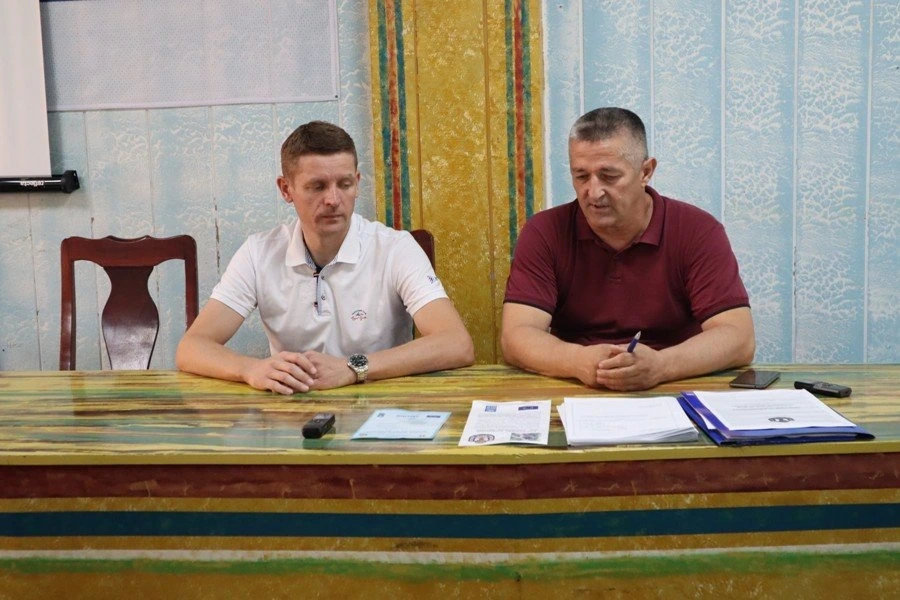
The representative of the “Saint Vukasin” Foundation Executive Board Gacko, Aleksandar Crnogorac, confirmed that they received around 15,000 KM for the project “Agriculture and social activism in support of the most vulnerable”.
“We plan to build and equip a greenhouse beside the chapel to support families in need through food sales and direct distribution. We will also establish an apiary with five bee colonies. Both projects will train young people in beekeeping and vegetable growing. A further 3,000 KM will fund solar panels to supply electricity to the Elez family in Izgori,” Crnogorac said.
Saša Nikolić, president of the Gat Association in Gacko, said the 5,000 KM grant would help the association carry out its plan to restore and promote the historic site of Gat Hill.
“The funding will be used to repair and restore the walls and structures at the top of Gat Hill and provide visitor information. Once this project and the memorial currently under construction are complete, we hope Gat will be more attractive and safer for visitors,” Nikolić said.
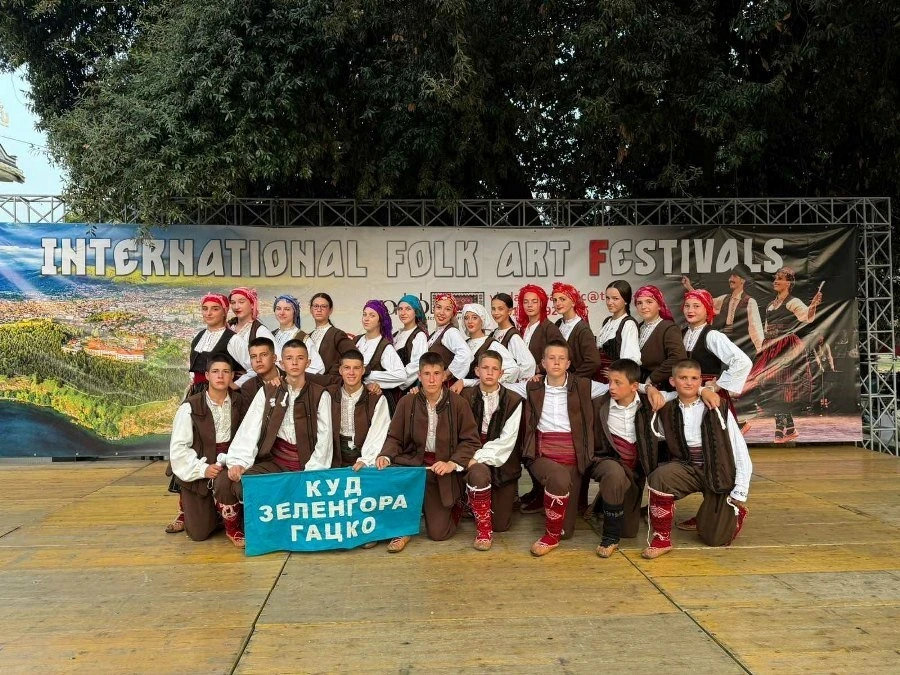
Choreographer of the Cultural and Artistic Society “Zelengora” from Gacko, Sanja Mitrić, says that the funds from the project amount to 5,500 KM are an important item for them, and they will work on promoting culture in our municipality.
“This has given us even more motivation in our work with children. We will use part of the funding for an event and to buy the costumes we still need,” Mitrić confirmed.
Control of expenditures will be carried out by a team for monitoring the implementation of projects appointed by the mayor of the municipality.
The duration of each project can be from three to six months, and all projects must be implemented by December 31, 2022.